
How to Compare Push Notification SDKs
A practical framework for comparing push notification SDKs across integration effort, targeting, reliability, privacy, migration, observability, and long-term operational cost.
Practical push notification guides, product updates and lessons from building better customer experiences.
A practical framework for comparing push notification SDKs across integration effort, targeting, reliability, privacy, migration, observability, and long-term operational cost.

A practical, staged approach to moving device-token management between push providers, covering identity, token matching, dual writes, rollout monitoring, rollback, and common migration failures.

Diagnose FCM registration token failures systematically: identify the error class, refresh tokens safely, check project configuration, and remove stale registrations without disrupting delivery.

A practical framework for comparing HoneyNotify and MoEngage, covering delivery architecture, targeting, migration, integration effort, governance, and the questions teams should verify before choosing.

A practical guide to moving from OneSignal to HoneyNotify, covering identity mapping, token registration, server-side sends, rollout strategy, and the migration mistakes most likely to cause missed notifications.
A practical guide to designing timely, actionable order notifications that reduce uncertainty, handle delivery failures gracefully, and give customers the right next step.

Push notifications give apps a timely way to reach people beyond the open session. Used with consent, relevance, and reliable delivery, they can support retention, workflows, and important updates without becoming a source of noise.

A practical guide to configuring Firebase Cloud Messaging credentials, separating client and server secrets, connecting Android and iOS apps, and troubleshooting delivery safely.

A practical guide to monitoring push notifications from request acceptance to delivery and user interaction, with useful signals, alerting patterns, and troubleshooting steps.

A practical guide to designing push notification systems around APNs and FCM, covering tokens, targeting, delivery flows, retries, payloads, testing, and provider abstraction.
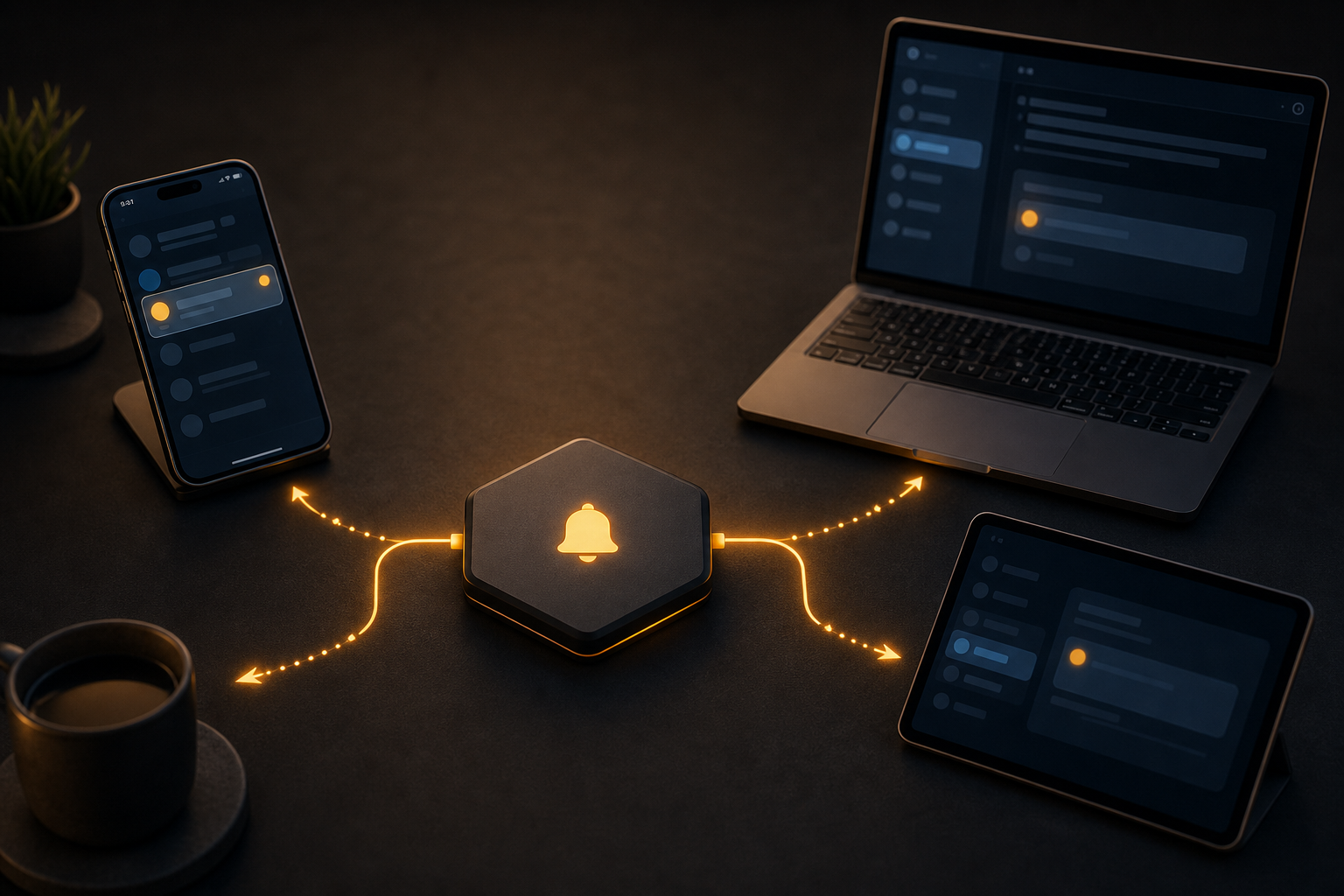
A practical guide to building a reliable push notification system across several apps, covering tenant boundaries, targeting, identity, payloads, delivery workflows, testing, and migration.

A practical guide to designing, translating, sending and testing push notifications for users in different languages, regions and time zones without creating brittle notification logic.

A practical guide to the push notification delivery path, from server-side authentication and targeting to provider hand-off, operating-system delivery, device tokens, and application handling.
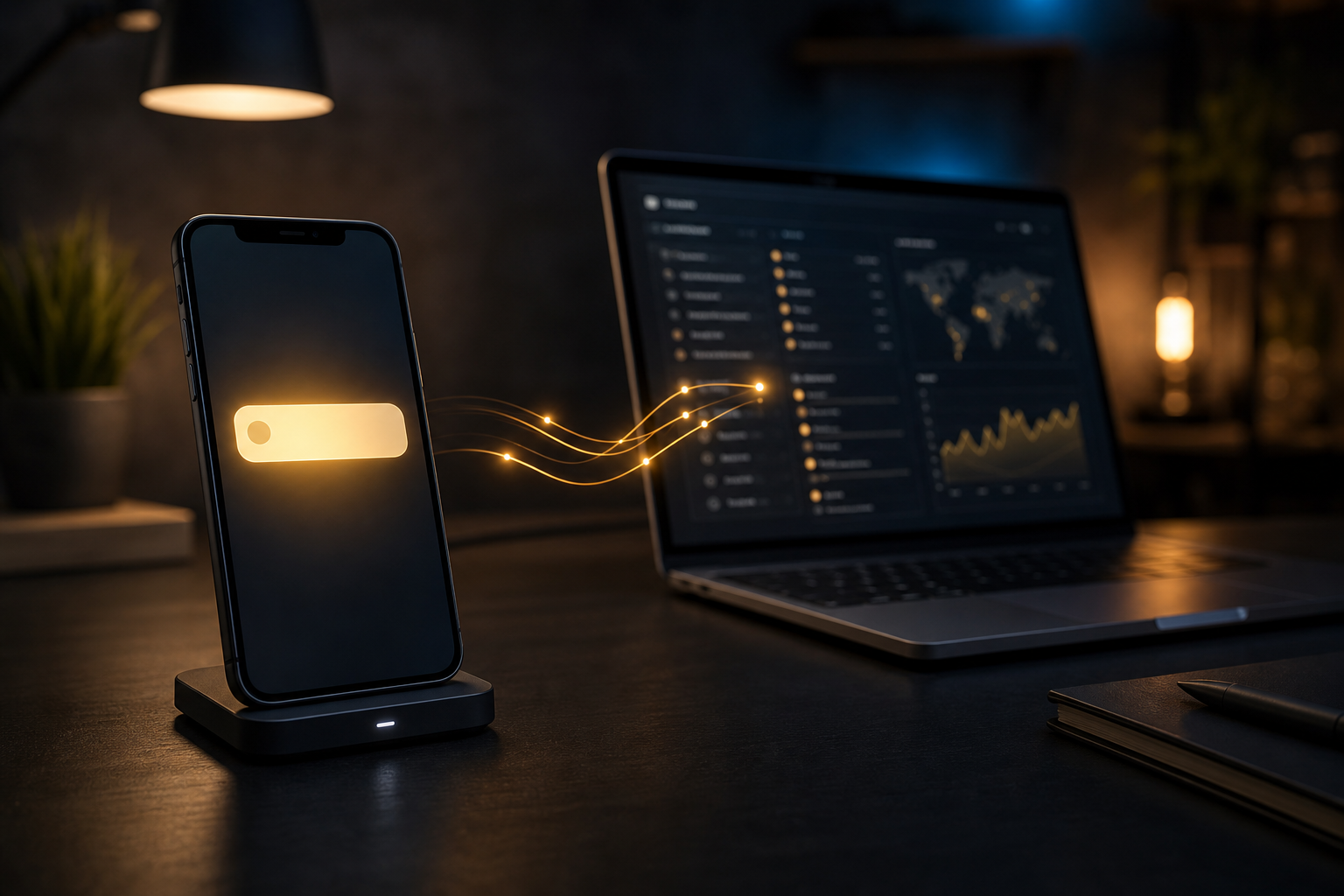
Push notifications are short messages delivered to devices, browsers or users. Learn how registration, permissions, tokens, targeting and server-side delivery fit together.
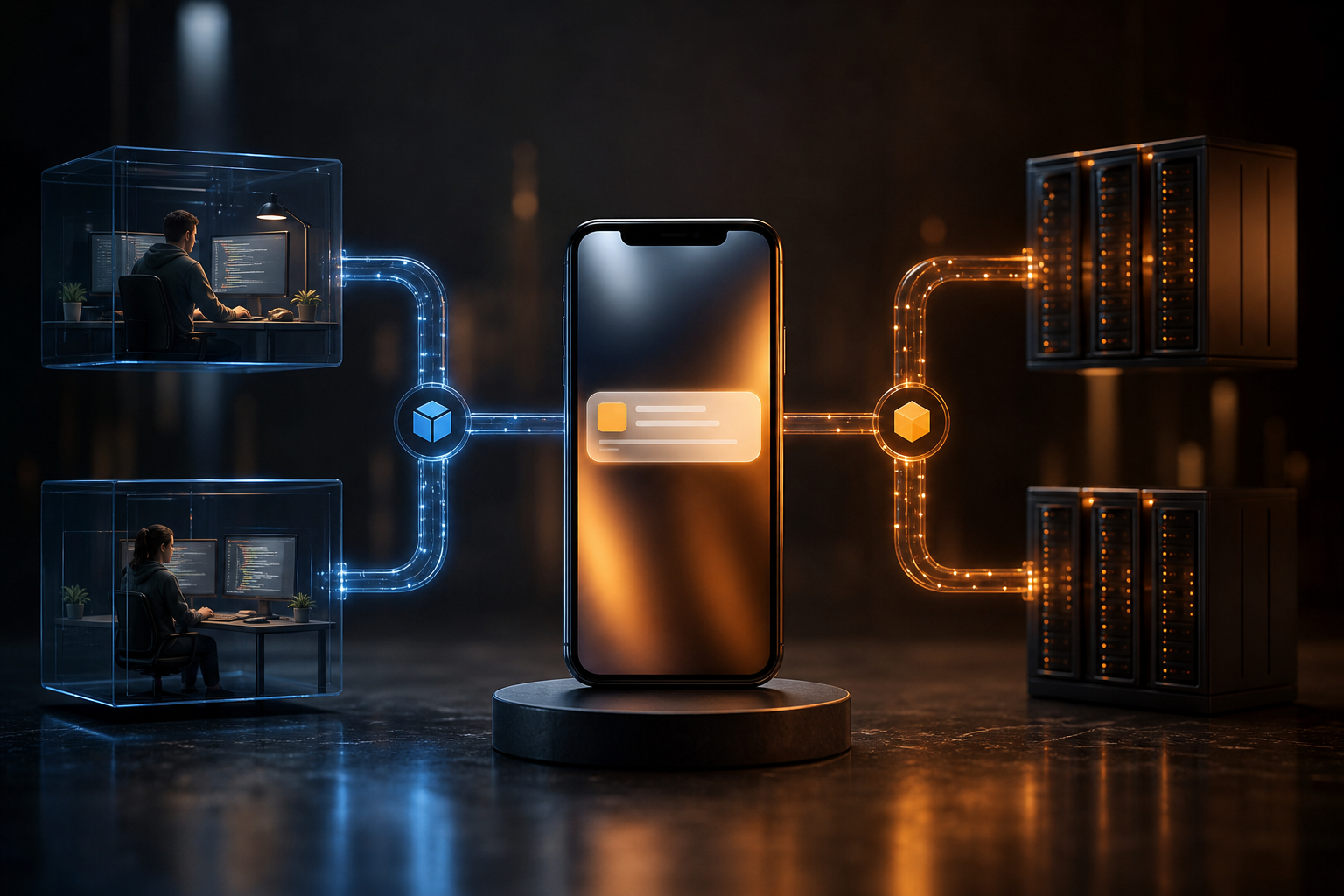
Push notifications that work locally can fail after release because production changes credentials, app identity, tokens, permissions, targeting and delivery conditions. Use this practical checklist to find the break.

A practical guide to testing push notifications safely in development, covering device registration, permissions, environments, payloads, delivery checks, failure diagnosis, and release readiness.
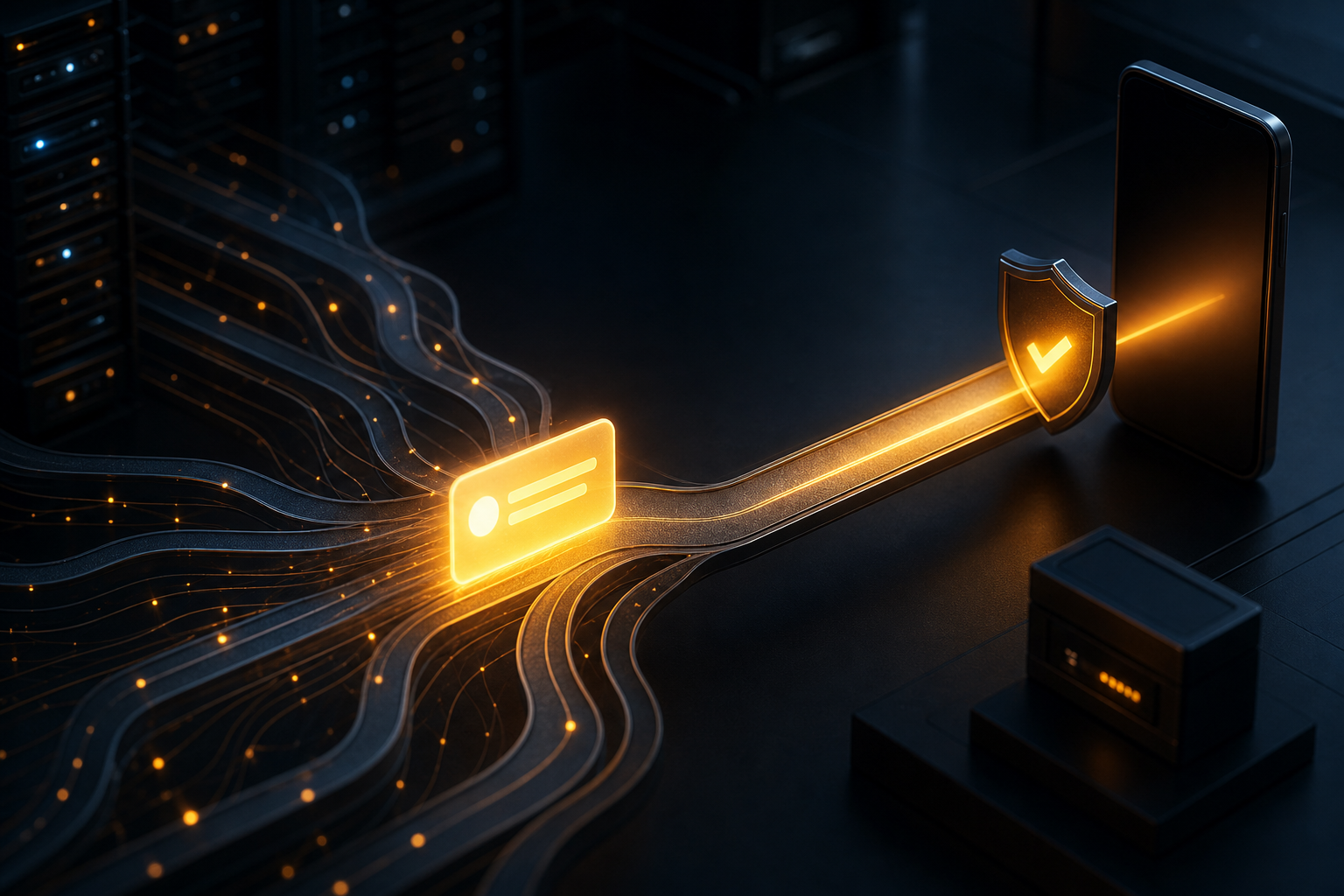
A practical guide to retrying push notification requests safely: classify failures, use stable idempotency keys, design durable jobs, and handle ambiguous outcomes.

A practical framework for comparing HoneyNotify and CleverTap across push delivery, audience management, automation, implementation effort, governance, and total operational complexity.

A push token change is normal, but it can expose weak registration, identity, and retry logic. Learn how to detect it, update your records safely, and restore reliable delivery.
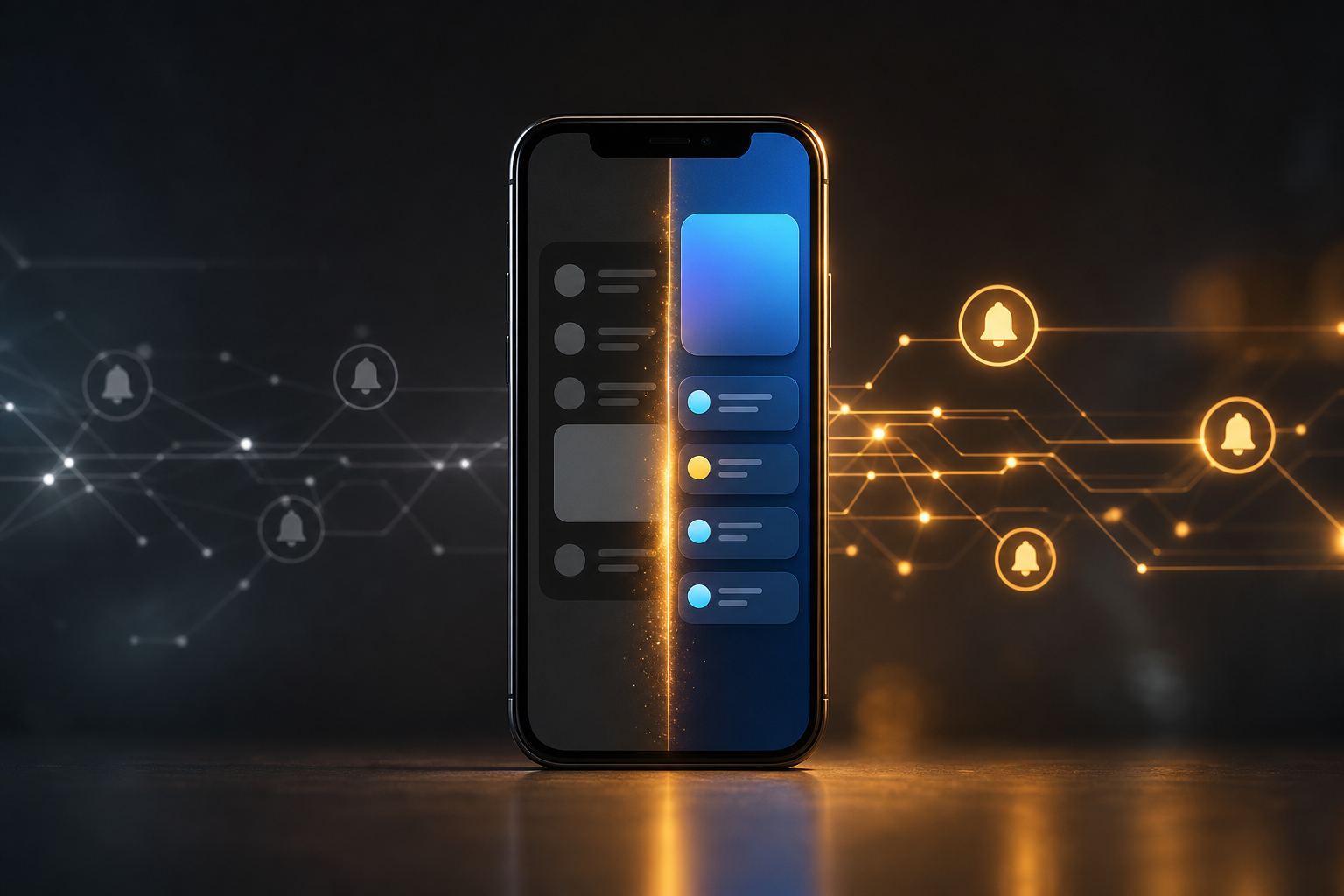
App upgrades can invalidate tokens, change permissions and disrupt identity mapping. Use a controlled migration plan to preserve notification delivery across mobile and web releases.

Design a preference centre that gives people meaningful control over notifications while keeping consent, data modelling, delivery logic, and product requirements aligned.

A practical comparison of HoneyNotify and Pushwoosh for teams choosing a push notification service, covering architecture, migration, targeting, reliability, implementation effort, and evaluation questions.

Accidental broadcasts can damage trust and create operational noise. Learn how to make notification targeting safer with guardrails, approvals, testing, idempotency, and monitoring.
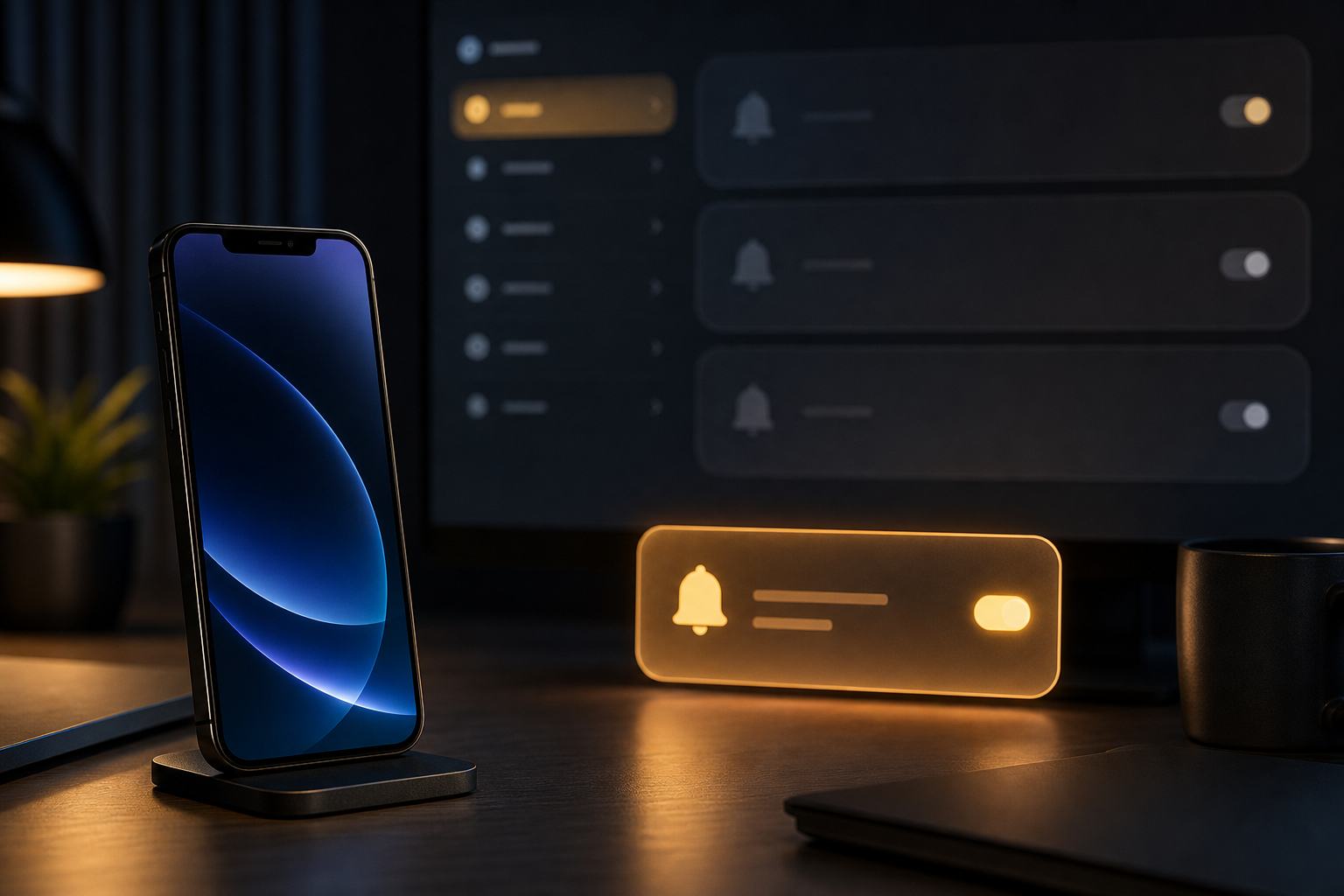
There is no universal daily limit for push notifications. Learn how to set useful frequency controls, measure notification fatigue, and build a respectful delivery strategy.

Learn how to design useful push notification segments, choose reliable audience signals, avoid over-targeting, and build a maintainable segmentation workflow for web and mobile products.
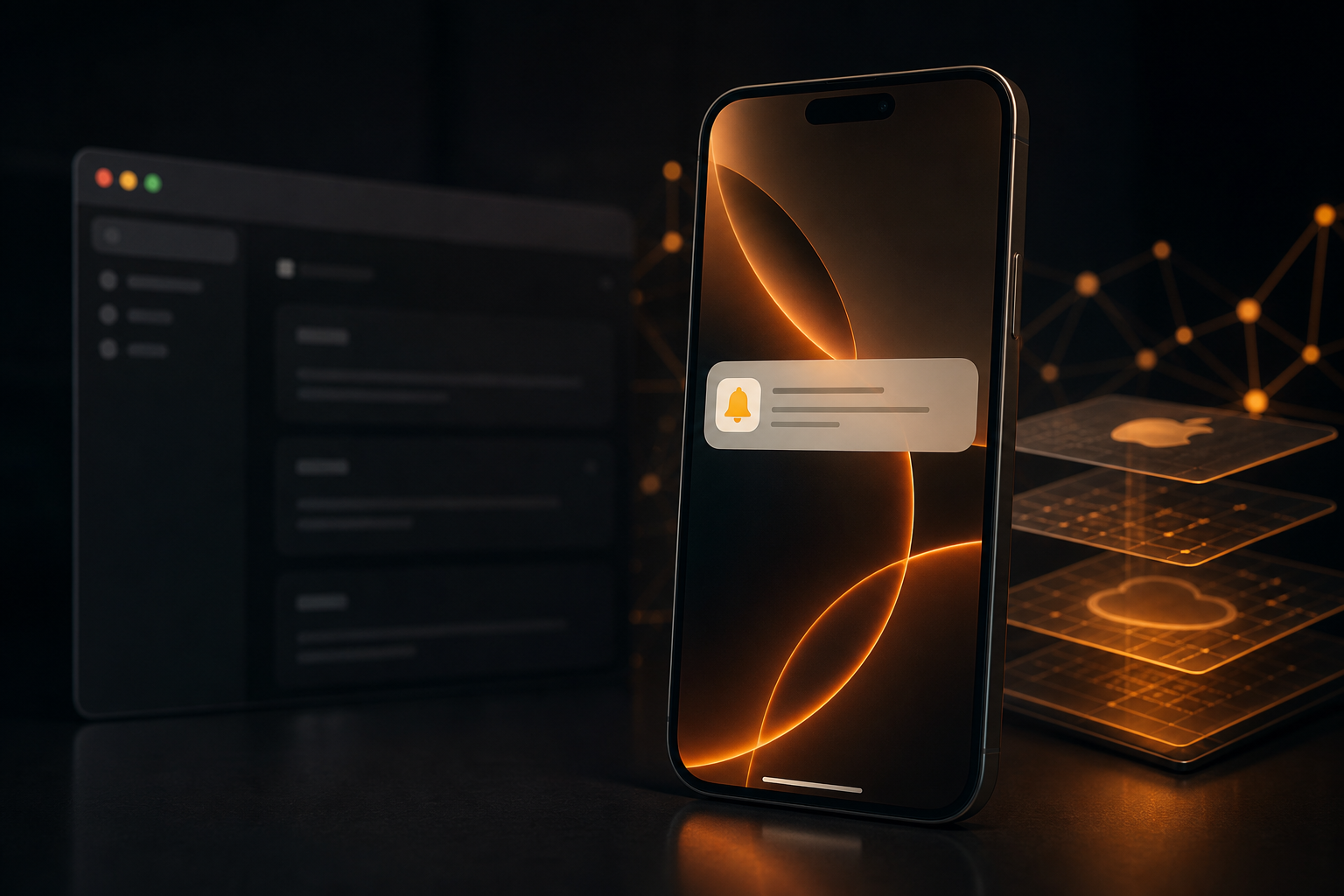
Notifications can appear while an app is open but vanish after it is closed. Learn how operating systems, permissions, payloads, tokens, and delivery logic affect closed-app notifications.
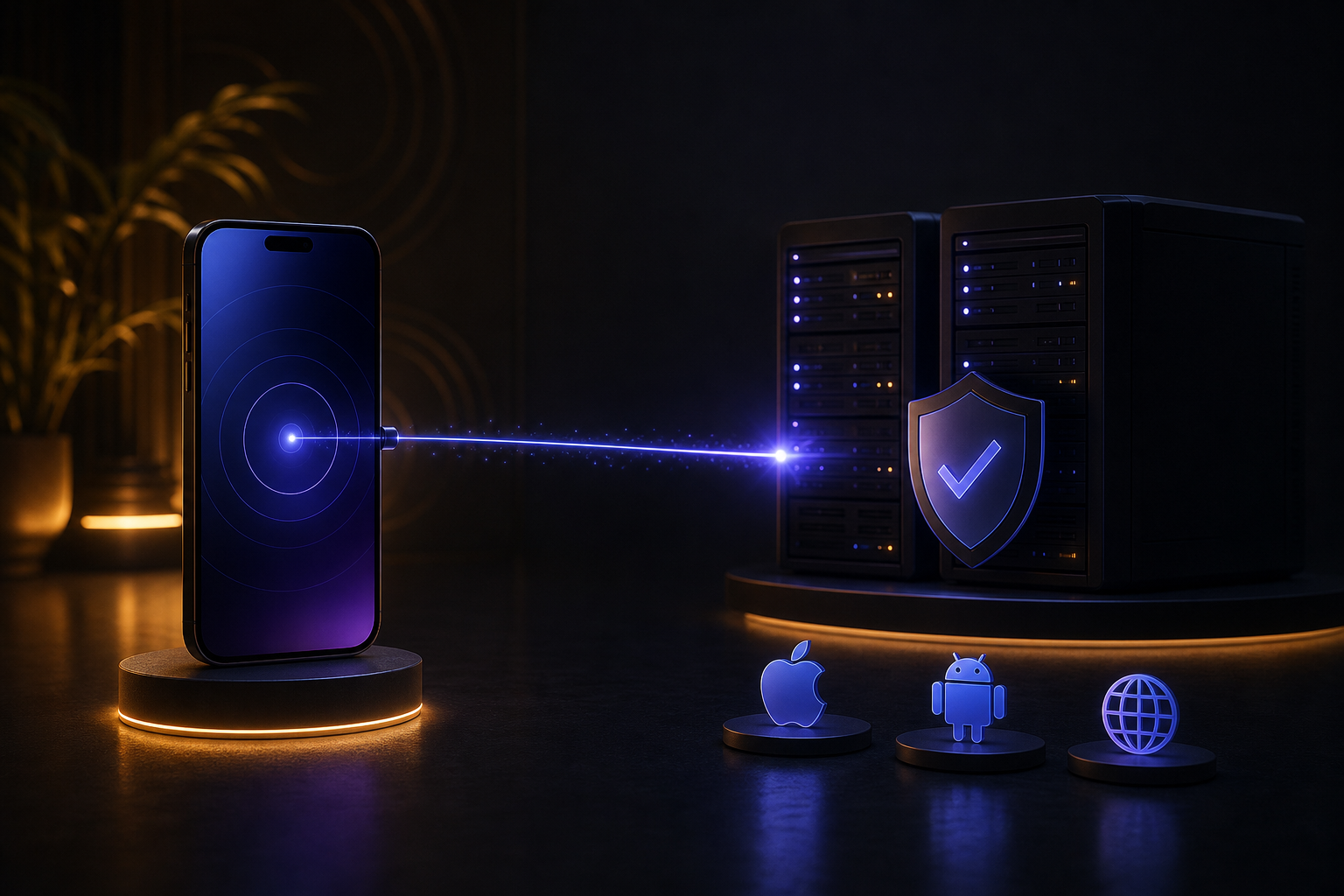
Learn how to send a notification to a single device with HoneyNotify, choose a stable targeting identity, handle token rotation, and avoid duplicate or misdirected delivery.

An all-in-one suite may promise breadth, but a focused push platform can offer clearer delivery workflows, lower integration complexity, and better control when notifications are the priority.

A practical framework for comparing HoneyNotify and AWS SNS for app push notifications, covering delivery architecture, targeting, identity, reliability, operations, and migration decisions.

A practical guide to versioning push notification APIs without breaking clients, losing delivery intent, or making migrations harder than they need to be.
Personalised push notifications can improve relevance without damaging trust. Learn how to use context, consent, timing and clear controls to create useful experiences.

A practical guide to diagnosing push notification failures across servers, providers, device tokens, client SDKs, permissions, payloads and delivery logic.